
The historical evolution of casinos tracing the journey from ancient gaming to modern entertainment
The Origins of Gaming: Ancient Civilizations
The history of casinos can be traced back thousands of years to ancient civilizations, where gaming was woven into the fabric of social and religious life. In ancient Mesopotamia, clay tablets dating back to 3000 BC feature dice games, indicating that games of chance have been a source of entertainment for millennia. Similarly, ancient Chinese and Egyptian cultures engaged in gaming, with early forms of lottery games and betting on the outcomes of events, showcasing humanity’s long-standing fascination with luck and risk. As you explore this world, you can find some of the best sports betting sites that reflect modern gaming practices.

These early games were often imbued with ritualistic significance, serving not only as a form of entertainment but also as a way to engage with the divine. As societies evolved, so did the complexity of their games, leading to organized gambling that laid the groundwork for the casinos of today. This cultural evolution reflects humanity’s innate desire for excitement and the pursuit of fortune.
The Rise of Formal Gambling Houses
The establishment of formal gambling houses began in the Renaissance, particularly in Italy. The first known casino, the Ridotto, opened in Venice in 1638, providing a regulated environment for gambling. This marked a significant transition from informal gaming to a structured setting where rules were established, and patrons could safely engage in games of chance. The Ridotto served as a model, influencing the development of similar establishments across Europe.
As gambling houses gained popularity, they evolved into lavish venues that catered to the upper classes. These establishments were not only places to gamble but also social hubs, showcasing the opulence of the era. They laid the foundation for the modern casino experience, combining luxury, entertainment, and the thrill of chance in a way that continues to attract patrons today.
The Influence of the Industrial Revolution
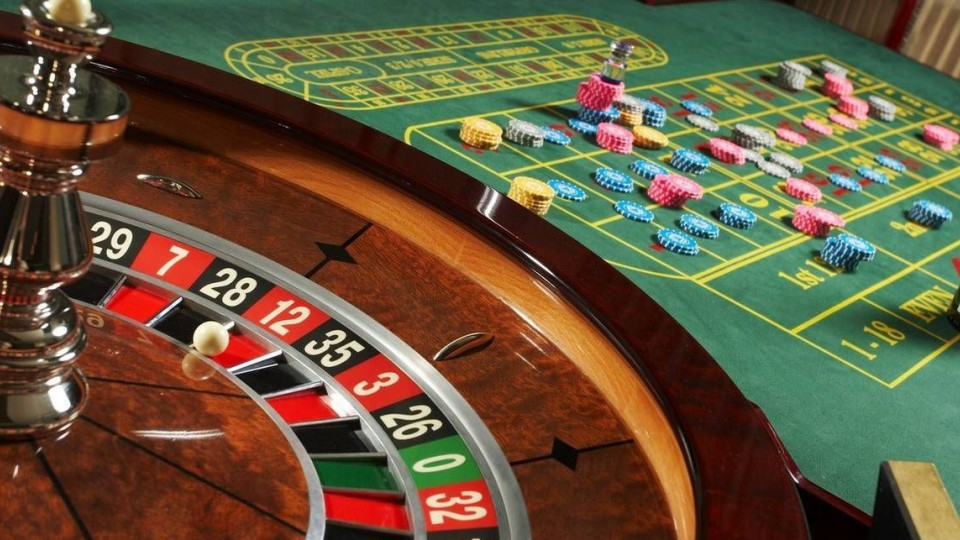
The Industrial Revolution in the 19th century significantly impacted the casino industry. With advances in technology and transportation, gambling became more accessible to the masses. This era saw the emergence of iconic gambling destinations, such as Monte Carlo, which became synonymous with luxury and high-stakes gaming. The combination of wealth and a growing fascination with gambling resulted in a boom in casino construction and the proliferation of games like roulette and blackjack.
This period also witnessed the standardization of gaming regulations, ensuring fair play and establishing a framework for the industry. The introduction of slot machines in the late 19th century further democratized gambling, allowing individuals to engage in gaming without the need for extensive knowledge or skill. This innovation paved the way for the modern gaming landscape we recognize today.
The Modern Casino: A Multidimensional Experience
The modern casino experience has evolved into a multifaceted entertainment hub, offering much more than traditional gaming. Today’s casinos blend a variety of attractions, including dining, live performances, and luxurious accommodations, creating an all-encompassing entertainment experience. The integration of technology has transformed gaming, with online casinos and mobile applications allowing players to engage from anywhere in the world.
This evolution reflects changing consumer preferences and the necessity for casinos to adapt to a competitive market. The emphasis on creating immersive experiences showcases a shift from gambling as a standalone activity to a broader entertainment offering, appealing to a diverse audience seeking various forms of enjoyment.
Exploring the Future of Casinos
The future of casinos appears promising, with advancements in technology and shifting cultural attitudes shaping the industry. As virtual reality and augmented reality continue to develop, casinos are exploring innovative ways to enhance the gaming experience, providing immersive environments that transcend traditional boundaries. Additionally, the integration of artificial intelligence is set to personalize gaming experiences, tailoring offerings to individual preferences.
As online gaming continues to gain traction, the importance of responsible gambling practices and regulations will also become paramount. The industry’s evolution will rely on balancing innovative entertainment with ethical considerations, ensuring that the enjoyment of gaming is safe and responsible for all players. Overall, the journey from ancient gaming to modern entertainment is a testament to the enduring allure of casinos in our society.